
此内容尚不支持你的语言。
Hacker–Arclight Guide
Introduction
Section titled “Introduction”Once the setup is complete, it can feel almost impossible to win against this composition. It’s a lot of fun to play, and very frustrating to lose against. The build performs best in the mid to late game, when your chaff clear is online and your hackers have proper locks, turning the board on its head.
Tech Loadout
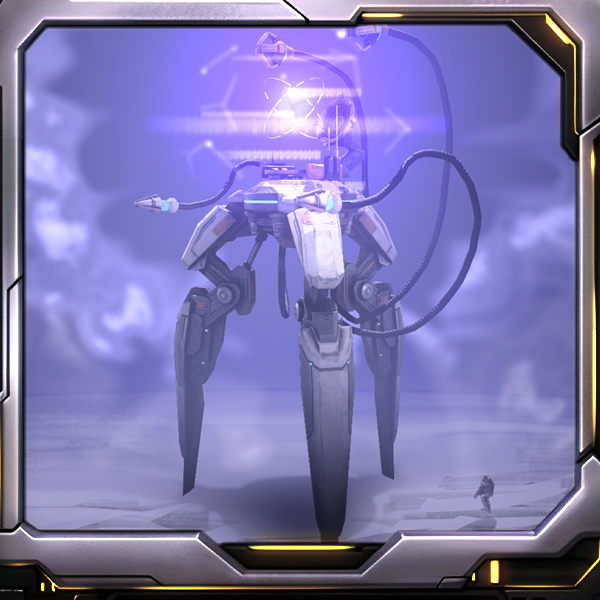
Section titled “Tech Loadout ”Hackers
Section titled “Hackers”-
Range Enhancement: The most important tech, you’ll need to pick this almost every game. Occasionally you can skip it in defensive, short-range fights, but even then, it’s usually worth it for earlier locks.
-
Barrier: A strong, excellent-scaling tech. Rarely a first pick, but a great second upgrade to help your chaff and chaff clear survive longer.
-
Electromagnetic Interference: Situational and often not worth the price, but still a must-have option versus Assault Marksmen (very strong) and to prevent getting EMP’d by Void Eyes.
-
Enhanced Control: Most useful against Boom Rhinos to prevent them from exploding in your own lines. Also useful against Giant-heavy boards if you can secure hacks.
Arclights
Section titled “Arclights”-
Range Enhancement: You’ll want to pick this almost every game, usually around round 3 or 4.
-
Elite Marksmen: A good pickup if your Arclights start levelling a lot. Not essential to the composition but can be strong in the late game with high-level Arclights.
-
Armor Enhancement: Can be useful against opponents fielding many low-damage units like Mustangs.
When to Play
Section titled “When to Play ”Hackers perform best against boards built around medium units. Prime targets include Assault Marksmen, Steelballs (especially with Mechanical Division), Sledgehammers, Rhinos, Sabertooths, and Tarantulas. Ideally, your opponent should already be invested in at least three packs and a tech for these units to make it difficult for them to pivot away. It can still work without those targets, but there are often better options in those cases.
How to Play
Section titled “How to Play”Starting Pack: You do not need a specific starter pack for this comp, Arclight, Crawlers and Sledgehammers are great, but it can work with most starting packs.
Rounds 1–3:
Section titled “Rounds 1–3:”Set up your chaff and chaff clear, this is the most important step for a Hacker composition. My preferred chaff clear is Arclights (both standard and defensive setups), but other options like Fire Badgers or Tarantulas work just as well in defensive games. Make sure you have your chosen chaff clear ready and teched with range by round 4 at the latest. Avoid Vulcans, as they require too much investment that you’ll want to reserve for your Hackers.
If you have a good target for a Stormcaller, you can invest in one or two, but don’t overcommit early. If you need to conserve HP, a Wasp can also help if your opponent lacks anti-air.
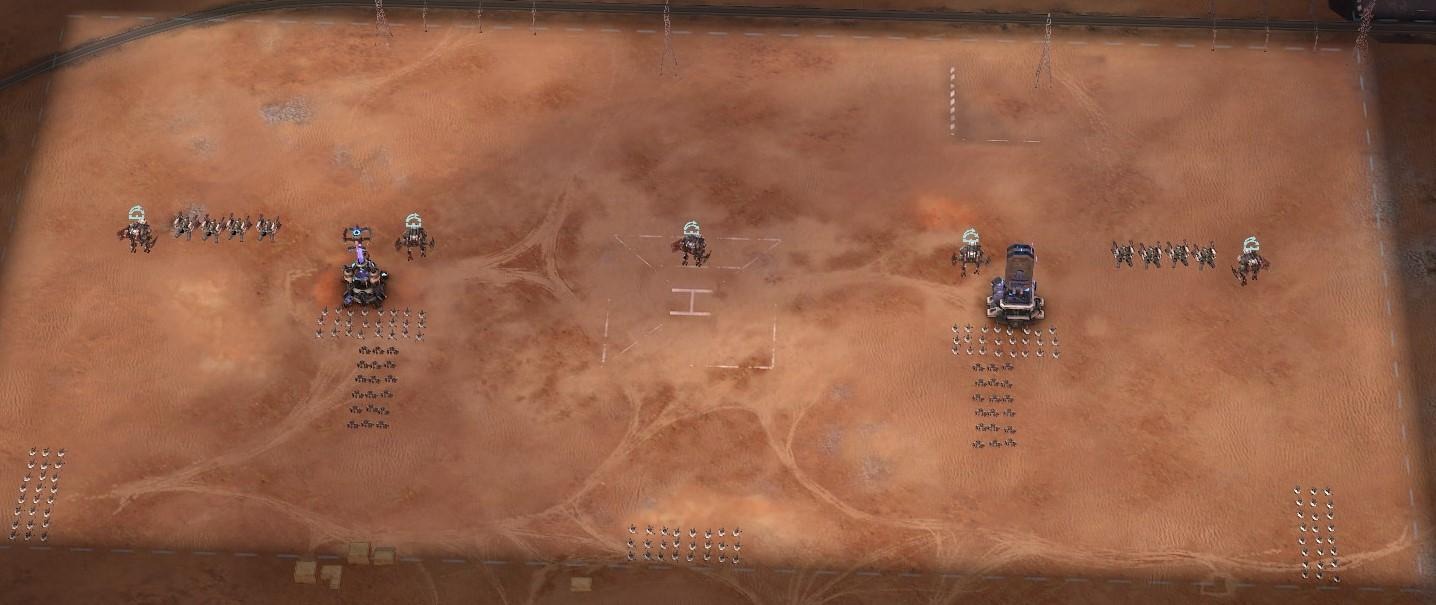
Early game setup for a standard game, for a defensive game you would need to focus more on one side.
Rounds 4/5:
Section titled “Rounds 4/5:”Depending on how the game is unfolding, you’ll want to introduce your first Hackers on round 4 or 5. You want to surprise your opponent, so get 3 Hackers right away and add range (requires 1,050 supply). Against Rhinos or high-level Tarantulas/Sabers, you may want to go with 2 level 2 Hackers with range instead (1,100 supply) for extra damage.
Rounds 5/6 onwards:
Section titled “Rounds 5/6 onwards:”Your opponent will now scramble for answers. Expect shields or air units as common responses. Prepare by adding some Mustangs with range and potentially Stormcallers if you haven’t already. Continue following the common counter strategies, and keep investing into your Hackers, you typically won’t need more than 4–6 but ensure they cover the entire battlefield. Levelling them is always beneficial. Invest in the Shield tech, when possible, it scales exceptionally well.
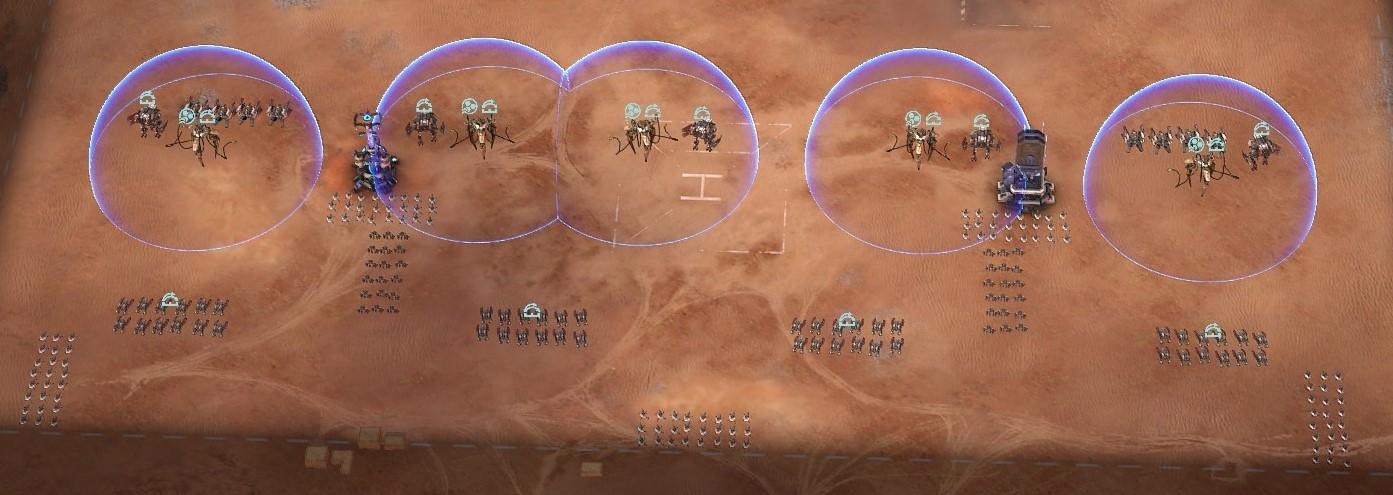
Lategame Composition, depending on your opponents board you might want to have melting points or other units as well as higher levels on your hackers.
Cards & Items
Section titled “Cards & Items”


Synergistic Units
Section titled “Synergistic Units”-
Mustangs: Help clear leftover chaff, provide crucial anti-air, and weaken larger targets so they’re easier to hack. They can also serve as anti-missile defense against Stormcallers.
-
Stormcallers: Great at breaking shields and softening up high-HP targets.
-
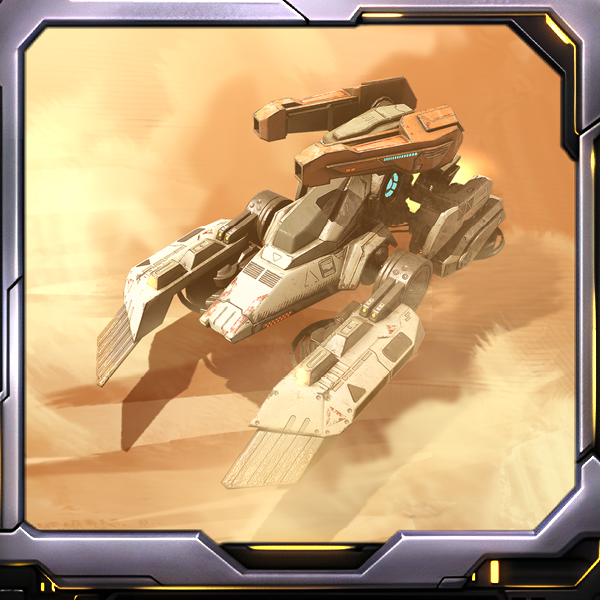
Meltingpoints: Effective single-target anti-air and anti-Giant/Titan units. Their gradual damage reduces overkill, making targets easier to hack. Only get them if you have valid targets.
Anti-Synergistic Units
Section titled “Anti-Synergistic Units”Avoid these unless you have a very specific reason to use them.
- Scorpion / Raiden: They tend to overkill targets, which means your Hackers may end up doing nothing.
Common Counters and How to Respond
Section titled “Common Counters and How to Respond”-
Shields: Hackers are poor at breaking shields, so expect this as a common response. Stormcallers are your best option to counter shields.
-
Stormcallers: As mentioned, excellent shield-breakers that directly threaten your Hackers. Against heavy Stormcaller investments, Mustang anti-missile or AMDs can help. Keep a steady supply of crawlers to distract them.
-
Siege Scorpions: These aim to outrange your Hackers and strike from afar. Win the chaff war and look for opportunities to push. Focus investment on one side if needed. The temporary speed ability can also help.
-
Air Units: Since Hackers can’t shoot air, be prepared for an air switch. Mustangs are a great preemptive defense, but against heavy Raiden/Overlord investments, consider anti-air Marksmen or Meltingpoints.
-
High-HP Tanks: If a target isn’t hacked quickly, your Hackers lose value. Adding some Meltingpoints can counter this effectively.
-
Enemy Hackers: Some opponents will mirror your strategy. Don’t get discouraged—you have the better setup and more efficient Hacker investments. Keep upgrading and teching; you’ll win the scaling war.
-
Fast Push/Tower Rush: Aggro players may try to push quickly and take advantage of your debuffs. Adding more chaff to slow them down helps, and don’t hesitate to use missiles to delay key targets during important rounds.